You have dozens of colours or finishes and a photo shoot for each one does not add up.
[ 3D PRODUCT VISUALISATION ]
GRUP3D
— 3D PRODUCT VISUALISATION
3D product rendering for catalogues, ecommerce and B2B sales.
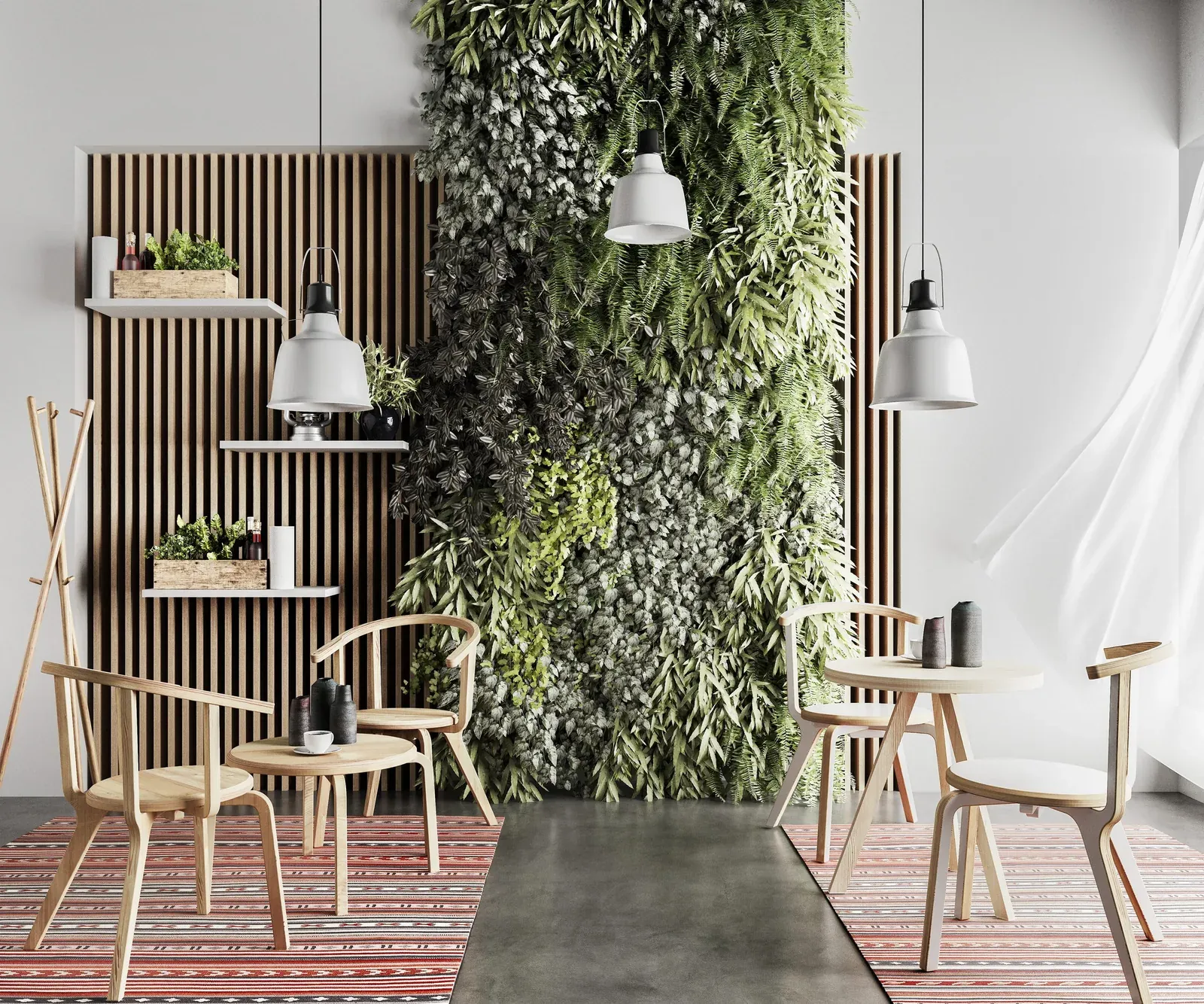
3D product rendering turns a digital model into catalogue images without setting up a studio or manufacturing physical samples. It is how a manufacturer presents variants, finishes and future versions consistently on the website, the spec sheet, the marketplace and at trade shows. From Valencia we work with manufacturers and distributors across Spain and abroad, producing every image with the same light, the same framing and the level of finish that sells. One investment in a 3D model that keeps paying off with every new launch, for years.
— CHAPTER 01 / 07
What 3D product rendering is and what it is for
A 3D product render is a photorealistic image generated from a three-dimensional model with materials, textures, colour and studio lighting applied to it. Unlike photography, it does not need the product to exist physically or a set to be built: CAD, drawings or a clear materials list is enough.
It is used to sell before manufacturing, to unify a catalogue built from photos of different origins, and to show what the camera cannot reach: sections, exploded views, interiors and finishes still in development. In ecommerce, a listing with 3D visuals reduces doubts and, with them, returns, because the customer understands volume, scale and material better.

GRUP3D · INDUSTRY
It is used to sell before manufacturing, to unify a catalogue built from photos of different origins, and to show what the camera cannot reach: sections, exploded
— CHAPTER 02 / 07
When this service makes sense
Not every product needs 3D rendering, but there are cases where the difference against photography is enormous. These are the most common among our clients:
You want to sell it, pre-sell it or validate it with your sales network before the first production run.
Your images come from different sources and the catalogue looks uneven and inconsistent.
Photography cannot show the sections, internal mechanisms or details that actually close the sale.
You launch products regularly and want a reusable asset, not a new invoice every season.
You need the same pieces in many formats: website, spec sheet, marketplace, sales brochure and trade show.

 WHEN
— CHAPTER 03 / 07
What you get when you hire us
Each deliverable has a specific job in the sales funnel. We combine them according to the scope and the stage of the project, from a single catalogue listing to a full campaign.
Studio render
White or transparent background (PNG with alpha)
Even studio lighting
Optimised for website, catalogue and spec sheet
Lifestyle render
Styled scene and art direction
Campaign and brand focus
Built for social, banners and covers
Colour and material variants
Colourways and material combinations
The same framing and the same light across the whole series
A large, consistent catalogue without repeating shoots
01
The product on a clean background, with controlled light, ready for the catalogue, the spec sheet and marketplaces.
02
The product placed in a real environment or context of use, for campaigns, covers and social media.
03
Every finish generated from the same model, fully consistent across versions.
04
Sections, internal cutaways and close-ups that photography cannot capture.

GRUP3D · INDUSTRY
The product on a clean background, with controlled light, ready for the catalogue, the spec sheet and marketplaces.
— CHAPTER 04 / 07
The visual language of the studio
We treat every image as a piece of communication, not as a dump of the model. We take care of the art direction, the consistency of the light and the realism of the materials so the result holds up next to the best product photography. The whole series shares style, framing and colour temperature — something that is almost impossible when you mix photos from different suppliers and different moments. The finish is what a demanding marketing department expects: clean, true to the product and ready for print or screen.
— AT GRUP3D“We treat every image as a piece of communication, not as a dump of the model. We take care of the art direction, the consistency of the light and the realism of the materials so that”
— CHAPTER 05 / 07
Applied to real projects
Projects in the same sector that use this service. They are a reference for scope, format and result.
01
3D industrial animation explaining how an automatic juicing machine works, its components and its advantages, showing the internal process step by step.
02
3D video of an industrial electrical mechanism showing the internal movement, the parts and the logic you cannot see with the naked eye.
03
Product renders presenting internal doors in real settings, with variants and finishes ready for the catalogue and the configurator.
Industrial juicing machine
Industrial electrical mechanism
Contemporary internal doors

 APPLIED
— CHAPTER 06 / 07
How we produce it
Four defined stages with a review at each one, so you always know what you are getting and when.
Briefing
Source material
Production
Review and delivery
01
We review the goal, the sector, the final use, the deliverables, the number of images and the deadline.
02
We analyse drawings, CAD or STEP files, 3D models, photographs and the materials list. If information is missing, we propose a short definition stage first.
03
Modelling or adjusting the model, texturing, lighting and composition of every image and variant.
04
Adjustments within what was agreed and export in every format you need: website, catalogue, marketplace and trade show.
— CHAPTER 07 / 07
What we do differently
We do not deliver loose images, but visual material with a clear job to do and the technical accuracy the project demands.
From a single model we generate variants, backgrounds and formats without redoing the work.
Every image shares light, framing and style, which is hard to achieve with photography from several sources.
We show sections, interiors and versions that do not exist yet, all from the 3D model.
The product model can then feed an interactive 3D catalogue or a web configurator, multiplying the investment.
We work with your brand language and your print requirements, not with a generic finish.
— REAL WORK
A sample of the finish
Real renders from the studio for this kind of project.
[ 01 ][ 02 ][ 03 ][ 04 ][ 05 ][ 06 ][ 07 ] [ 08 ]
 [ 09 ]
 [ 10 ]
01 / 10
— FREQUENTLY ASKED QUESTIONSCommon questions
Common questions
before asking for a proposal
The questions we get asked most before starting.
— SEE ALSO
From the render to the whole catalogue.
The same 3D model prepared for the render also works for the catalogue and for a configurator.

— NEXT STEP
Define your
Define your
project and
ask for a proposal.
3D product rendering turns a digital model into catalogue images without setting up a studio or manufacturing physical samples. It is how a manufacturer presents variants, finishes and versions