The main image
The product on a white or transparent background (PNG with alpha), under even studio light. It is the one marketplaces ask for, and the one that opens the product page and the catalogue.
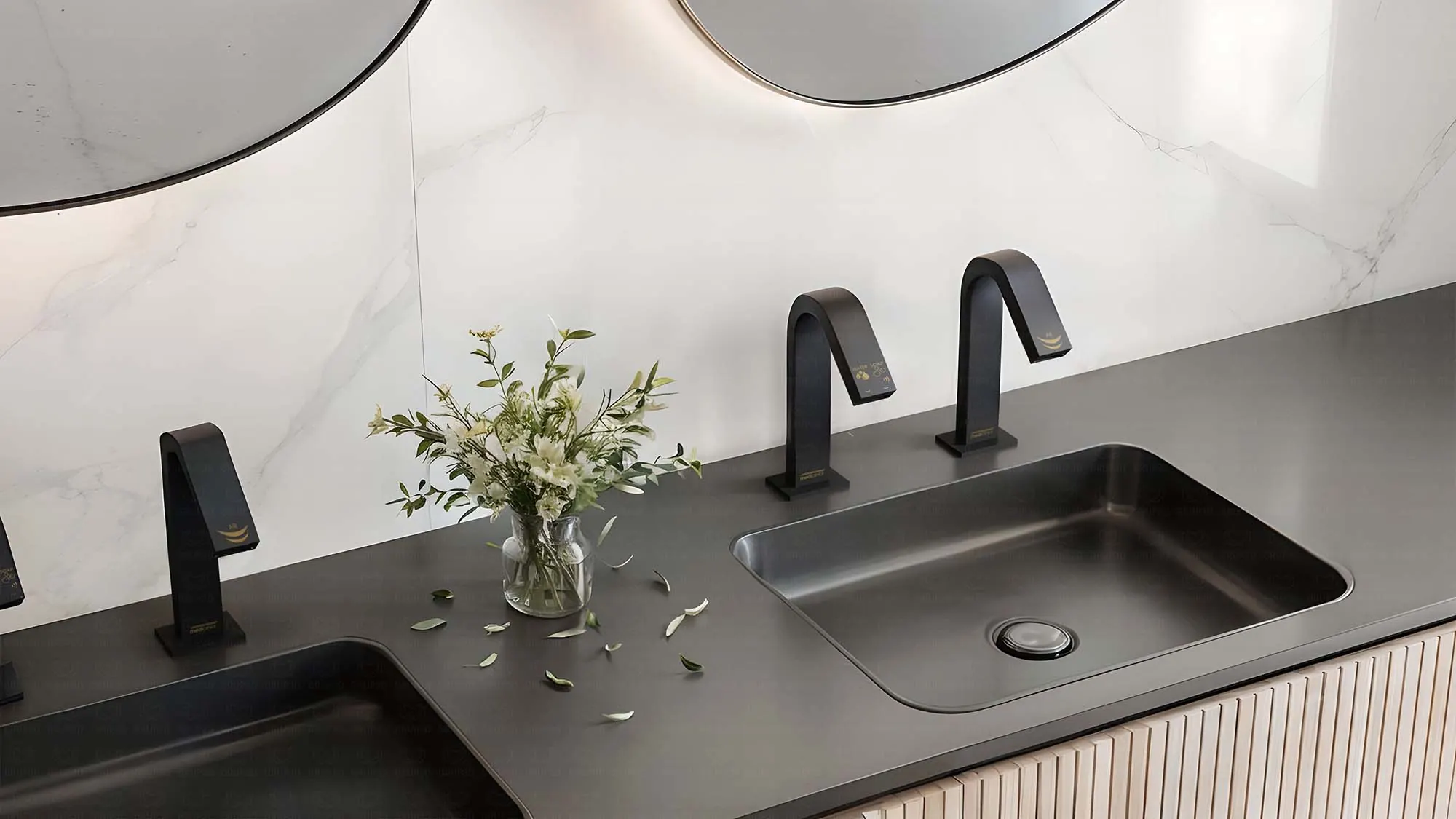
Product rendering for ecommerce and catalogues is the set of images generated from a 3D model that replace the photo shoot: white background, lifestyle, detail, a 360 spin and one image for each colour variant. They all come from the same model, with the same light and the same framing. This guide explains which images a product page and a catalogue need, what you need to send us and how the model is reused afterwards.
Each image answers a different question from the buyer. These are the six most often requested.
The product on a white or transparent background (PNG with alpha), under even studio light. It is the one marketplaces ask for, and the one that opens the product page and the catalogue.
A lifestyle scene with the product in its context: a kitchen, a bathroom, an office. It is used for the category cover, social media and banners.
Close-ups of texture, hardware, stitching or finish. It is the image that settles the quality question before purchase.
A sequence of views of the same model so the customer can rotate it. It is generated from the 3D with no additional photo shoot.
Each colour or material with the same framing and the same light as the rest. This is where rendering saves the most: there is no new shoot for every variant.
Sections, exploded views or interiors that explain how the product is made. Impossible to photograph and common on technical data sheets.
The same images, prepared for different destinations.
An ecommerce product page needs few images per product, and light ones for the web; a catalogue needs every reference in the range with the same visual language and, if it is printed, a higher resolution. Because the images come from the same model, the studio exports them in the formats for each destination: web, technical data sheet, marketplace, sales dossier and trade fair.
What makes a catalogue look professional is not each individual image, but that all of them share light, framing and colour temperature. With photography from different sources that is hard; with a 3D model it is the norm. See the 3D product catalogue.
You do not need to have everything: the closer the material is to a 3D model, the less modelling is needed and the tighter the price.
| Material | What it is for | If you do not have it |
|---|---|---|
| CAD or STEP file of the product | Basis of the model, with the real dimensions | It is rebuilt from drawings or photos |
| Dimensioned drawings | They fix proportions, thicknesses and details | Photos with reference measurements |
| Reference photographs | Real shape, finishes and details | A physical sample or a detailed description |
| Materials and finishes specification | Texture, colour and gloss of each variant | Samples or the manufacturer's colour codes |
| List of variants | How many images and combinations need to be produced | It is agreed in the briefing |
| Style references | The setting, light and composition you are after | We propose a direction and it is adjusted |
| Final uses and formats | Web, marketplace, printed catalogue, trade fair | It is defined with the scope |
If you only have an idea or a prototype, we suggest a preliminary definition phase so the product can be modelled faithfully. More help in what I need to request a quote for a render.
What is built for the images is later useful for other things.
When a new colour or reference comes out, it is added to the system and the image comes out as consistent as the rest, with no new shoot.
The same model feeds a 3D viewer for ecommerce and product augmented reality.
The spin, the exploded view or the way it works can be animated from the same model. See 3D product animation.
If your product has many combinations, the model is the basis of a configurator. See renders or 3D configurator.
A product render starts from €1,400; the final price depends on the number of images and variants, the complexity of the product and the starting material, and it is given in writing after we review the briefing. Details in 3D product render pricing.
Prices are on renders and 3D pricing and the full service on 3D product rendering.
It is a photorealistic image generated from a 3D model of the product, with materials, colour and studio lighting. It is used on ecommerce product pages, marketplaces and catalogues instead of a photograph, and the product does not need to have been manufactured.
Usually one image on a white background, one lifestyle image, one or more details, a 360 spin if the product calls for it and one image for each colour or finish variant. If the product has an interior or a mechanism, a cutaway or exploded view is added.
Ideally the CAD or STEP file and the drawings, together with reference photographs, the materials specification and the list of variants. If you only have a description or a prototype, a preliminary definition phase is proposed before modelling.
Yes. Each colour or finish is generated from the same model, with the same framing and the same light. It is one of the main reasons a catalogue with many references comes out more consistent in 3D than with photos from different sources.
A product render starts from €1,400. The final price depends on the number of images and variants, whether they are white background or lifestyle, the complexity of the product and the starting material, and it is given in writing after we review the briefing. Details in 3D product render pricing.
Yes. The model built for the renders can feed a 3D viewer, a video or a configurator, with no need to model from scratch. Modelling of parts and finishes for a configurator is quoted separately, from €30 per part or finish.
To quote a product render, whatever you have is useful: the CAD or drawings, reference photos, the list of colour or finish variants and the number of images you imagine per product page. If you only have a description or a prototype, we suggest a preliminary definition phase.
We reply in writing after reviewing the material, with the scope and the price. No obligation.
Would you rather talk it through? Call us on 662 061 421 or write to grup3d@grup3d.es.
What it includes, when it makes sense and how it is produced, from white background to lifestyle.
Read →What the quote depends on and how to ask for a tailored proposal.
Read →When a render makes sense and when a photo does, with a decision table.
Read →The whole range with the same light and the same framing, with no photo shoot for each new product.
Read →When images are enough and when it is better to let the customer configure.
Read →