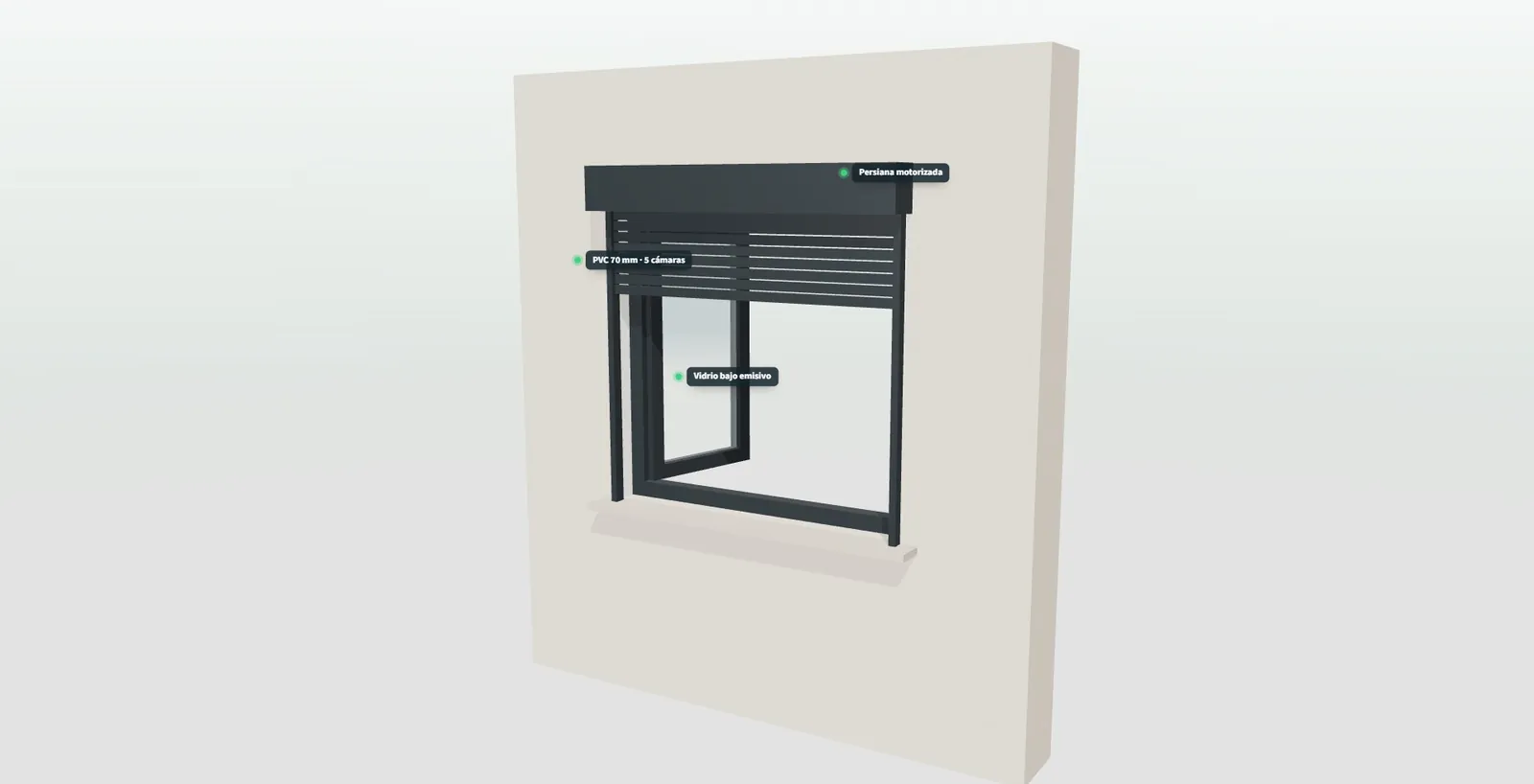
Window with the sash open in 3D in the window configurator of the Grup3D demo, with the hinges in view to choose the handing without error
GUIDE · 6 ERRORS · WHERE THEY START · HOW THEY ARE AVOIDED
— GUIDE FOR MANUFACTURERS · 2026

How to reduce
order errors
in the factory.

“That opening was 4.80, not 4.30.” “Left, but seen from where?” “The clips were missing.” Almost no order error starts in the workshop: it starts between the first enquiry and the production sheet, when someone interprets, copies or calculates by hand. Where each one creeps in and how a configurator with your rules and an order sheet everyone reads the same way avoids it.

— WHERE THEY START

Where order errors
start.

A made-to-measure order passes through five hands before it reaches the workshop. Each step is an interpretation.

Monday, first thing, in a manufacturer's technical office. Waiting in the inbox and the company WhatsApp are the weekend's orders: a template filled in by hand and scanned crooked, a photo of a sketch, a voice note from an installer dictating measurements from the van. Before anything is made, someone has to understand it and transfer it to the production sheet.

Half of them raise a question. The window says “left”, but not seen from where. The door has a “bar”, but which one. The roller shutter asks for a “motor”, without saying whether with a switch or an app. Every question is a call to a busy distributor or to an installer up a scaffold; every call that is not made is an assumption. Three weeks later, on site, what nobody saw appears: a sash that opens the wrong way, a box that was not the refurbishment one, hinges on the other side.

Nobody lied and nobody did a bad job: each one read the order their own way. That is the problem a configurator solves: the order is not read, it is generated.

— THE SIX ERRORS

The six errors
that cost most, and how they are avoided.

Each one with the example of an open demo: you can trigger the warning yourself, with sample products and prices.

01 · THE HANDING

“Left, seen from where”

One letter on a sketch covers two parts. How it is avoided: the part opens in 3D and the handing is chosen while looking at it, with the hinges in view; the window from inside, the entrance door from outside. The choice travels with the order. Demo: window configurator.
02 · THE SIZE

Out of limits or copied wrong

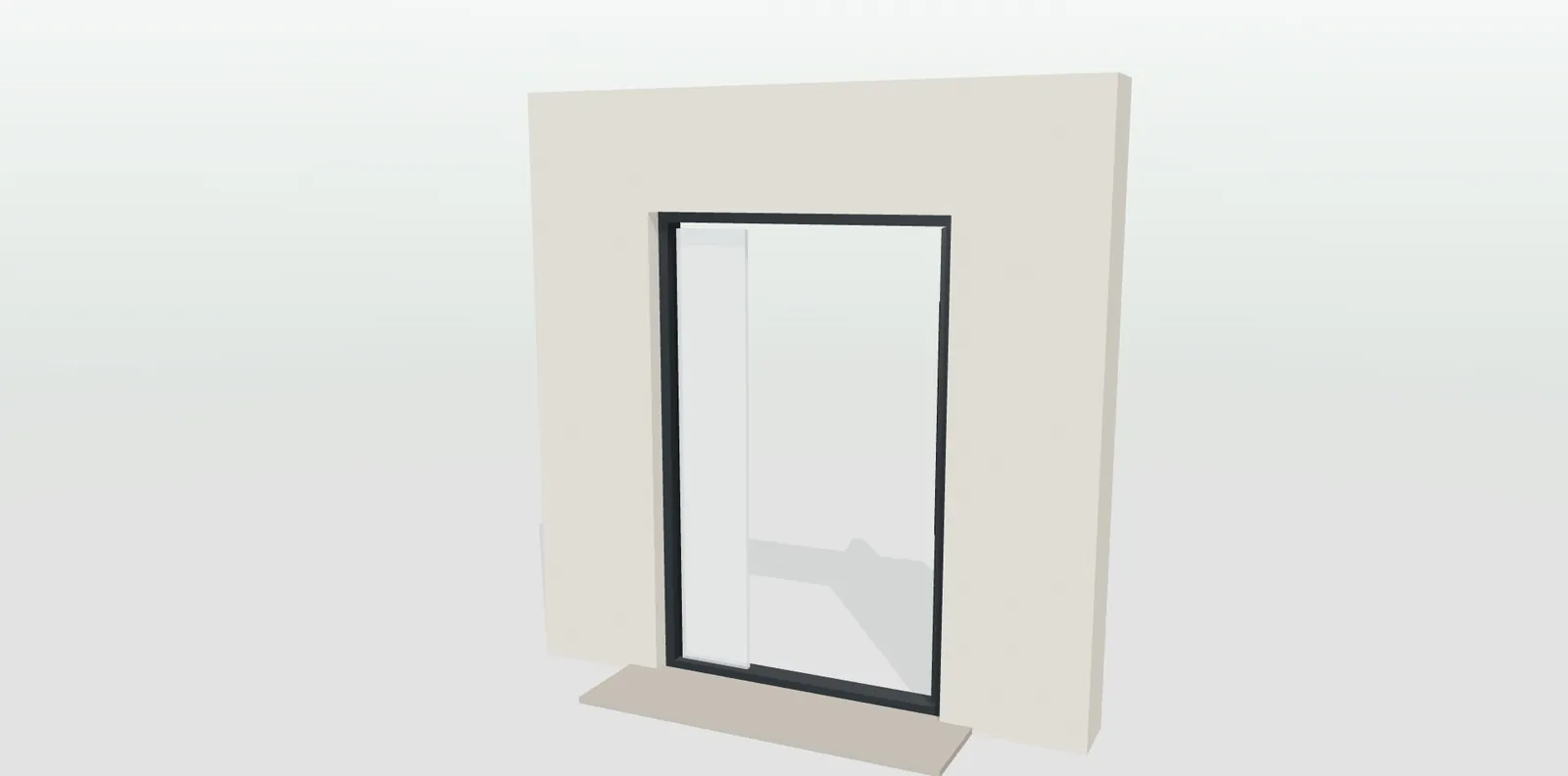
A sash that exceeds the system's width, a glass panel that weighs more than the fitting allows, a 4.80 that got copied as 4.30. How it is avoided: the configurator warns before ordering and suggests the way out (another system, one more panel, another glass), and the size comes out printed on the order sheet, not dictated. Demo: terrace enclosures.

03 · THE COLOUR AND THE FINISH

“Light oak” is not a reference

From design to workshop what arrives is “light oak” or “green”, not the decor reference or its edging. How it is avoided: every finish carries its reference and its matching edging, and the workshop sheet comes out with them. Demo: board decors.

04 · THE MISSING PART

End caps, clips, mounting plate, anchors

People order what they can see and forget the small stuff; the installer finds out with the ceiling open. How it is avoided: the order sheet carries the reference and quantity of everything: 8 metres of railing at 1,000 mm come out with 7 glass panels and 14 anchors; an LED strip, with reels, profiles, end caps, clips and power supply. Demo: LED strip.

05 · THE SKIPPED RULE

What cannot be made, ordered

A colour that only exists in one series, a railing below the minimum height, a tank for chemicals without a bund, a shelving run over 7 metres. How it is avoided: what you do not make cannot be chosen, and what goes beyond the limits shows on screen before sending. Demo: railings.

06 · THE RETYPED ORDER

Every distributor orders their own way

Template, email, photo or voice note; in the office someone copies it by hand and a wrongly copied figure reaches the saw. How it is avoided: the distributor configures with the customer in front of them and the order sheet comes out of the same configuration, always in the same format and with your references. More in B2B configurator for distributors.

Entrance door open in 3D in the demo configurator, with the handing and the lock in view
Error 01 in the entrance door demo: the door opens and the handing is chosen while looking at it from outside. Sample products and prices.
— THE ORDER SHEET

An order sheet
everyone reads the same way.

The order is not written: it is generated from what the customer configured and saw. That is what puts an end to interpretation.

— WHAT IT CARRIES
  • Reference, description and quantity of each component: frame, glass, fittings, roller shutter and sill in a window; frames, beams, protectors and anchors in a shelving bay.
  • The sizes and the handing as chosen on screen, with the weight per sash where it matters.
  • What the site has to prepare: the prefabricated module puts in writing that it needs a level slab and service connections.
  • In the technical ones, the cutting list: cut list, glass sizes, DXF and CSV for the cutting software. See technical configurator with cutting list.
— HOW YOU CHECK IT IS CORRECT
  • With your orders already manufactured: before publishing, the configurator has to produce the same sheet for each one, to the millimetre.
  • With the site checker where there is one: it warns about out-of-square fronts before manufacturing.
  • With rule versioning: a change to a limit or a discount is tested first and then goes to the website. See how a technical configurator is validated.
— THE ACCOUNT

What it costs
a part made twice.

Put your own figures in place of the example. They are usually more than they seem, because half of them get fixed without anyone writing them down.

Sample figures.
FigureExampleWhat it is
A · Parts made twice per year12Handing, size or colour noted wrongly
B · Cost of making, delivering and fitting again€350Material, transport and crew
C · Orders per month with one part missing6End caps, clips, mounting plate, anchors
D · Cost of preparing and sending what was missing€40Preparation and transport
Annual cost of repeated parts€4,200A × B
Annual cost of shipping loose parts€2,880C × D × 12 months

And what does not show in the account: the technical-office hours clarifying orders by phone, the installer's second trip and the trust of the customer who watches the wrong part arrive. Development starts from €6,500 for a visual configurator of one product family; most manufacturer projects fall between €14,500 and €35,000, depending on catalogue, rules and integrations, plus maintenance from €190/month.

— FREQUENTLY ASKED QUESTIONS

What we get asked
about order errors.

There are more short answers in frequently asked questions about 3D configurators and who we are in 3D configurator company.

Why do so many orders reach the factory with errors?

Because the order is interpreted several times before it arrives: the customer asks with a photo, the distributor notes it down their own way, the technical office types it and the factory makes what the paper says. Each step is an assumption. A configurator generates the order from what the customer configured and saw, with references and quantities, and the rules warn before sending.

How are handing and opening direction mistakes avoided?

The part opens in 3D with a button and the handing is chosen while looking at it, with the hinges in view: the window from inside, the entrance door from outside. The choice travels with the order and is written on the PDF and on the factory order sheet.

Does the configurator respect our manufacturing sizes and combinations?

Yes. Your rules are programmed: minimum and maximum sizes per series and opening, weight per sash, colours that only exist in one series, accessories that go with each use. What you do not make cannot be chosen, and what goes beyond the limits shows on screen before the order is sent.

What about our distributors' orders?

Each distributor configures with the customer in front of them, with their user and their discount, and the order sheet comes out of the same configuration, always in the same format and with your references. Nobody retypes the order in the office.

How do we know the order sheet is correct before publishing the configurator?

With your orders already manufactured: the configurator has to produce the same sheet for each one. Those cases are stored and run again every time a rule is touched. Until they match, it is not published.

How much does a configurator that generates the order sheet cost?

Development starts from €6,500 for a visual configurator of one product family; most manufacturer projects fall between €14,500 and €35,000, depending on catalogue, rules and integrations, plus maintenance from €190/month. The order sheet with references and quantities is at the level with rules and price; the cutting list, at the technical level. Details in the price of a 3D configurator.

— OPEN DEMO

Try it now
or see it with
your range.

Try making the six errors in the open demos: the wrong handing, an impossible size, a railing that is too low. The configurator warns before letting you order. No sign-up, with sample products and prices, at configurador.grup3d.es/demo.

With your orders in front of you? Bring two or three orders that went wrong and in a 20-minute video call we will see where they would have been stopped by your rules. No commitment.

Would you rather talk it through? Call us on 662 061 421 or write to grup3d@grup3d.es.