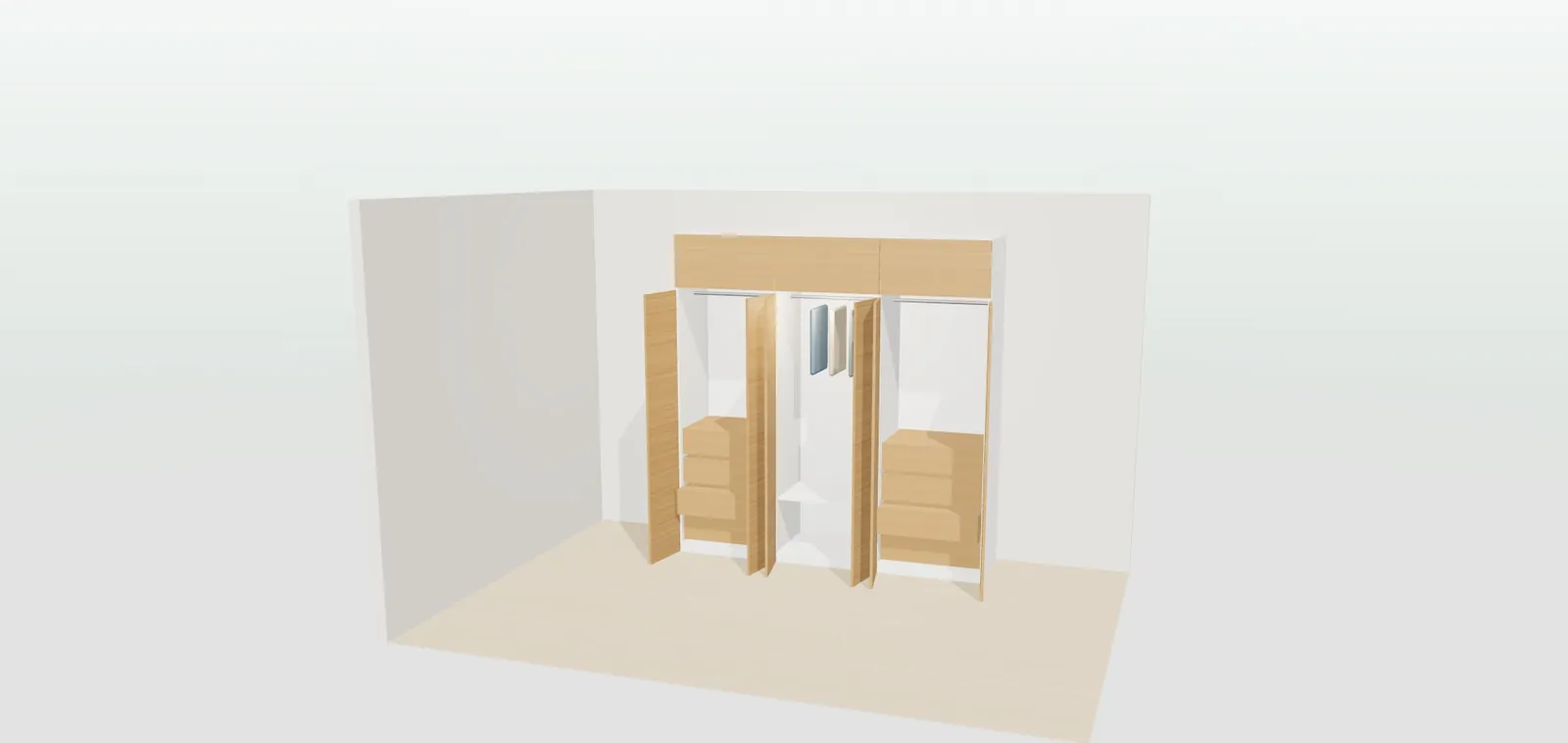
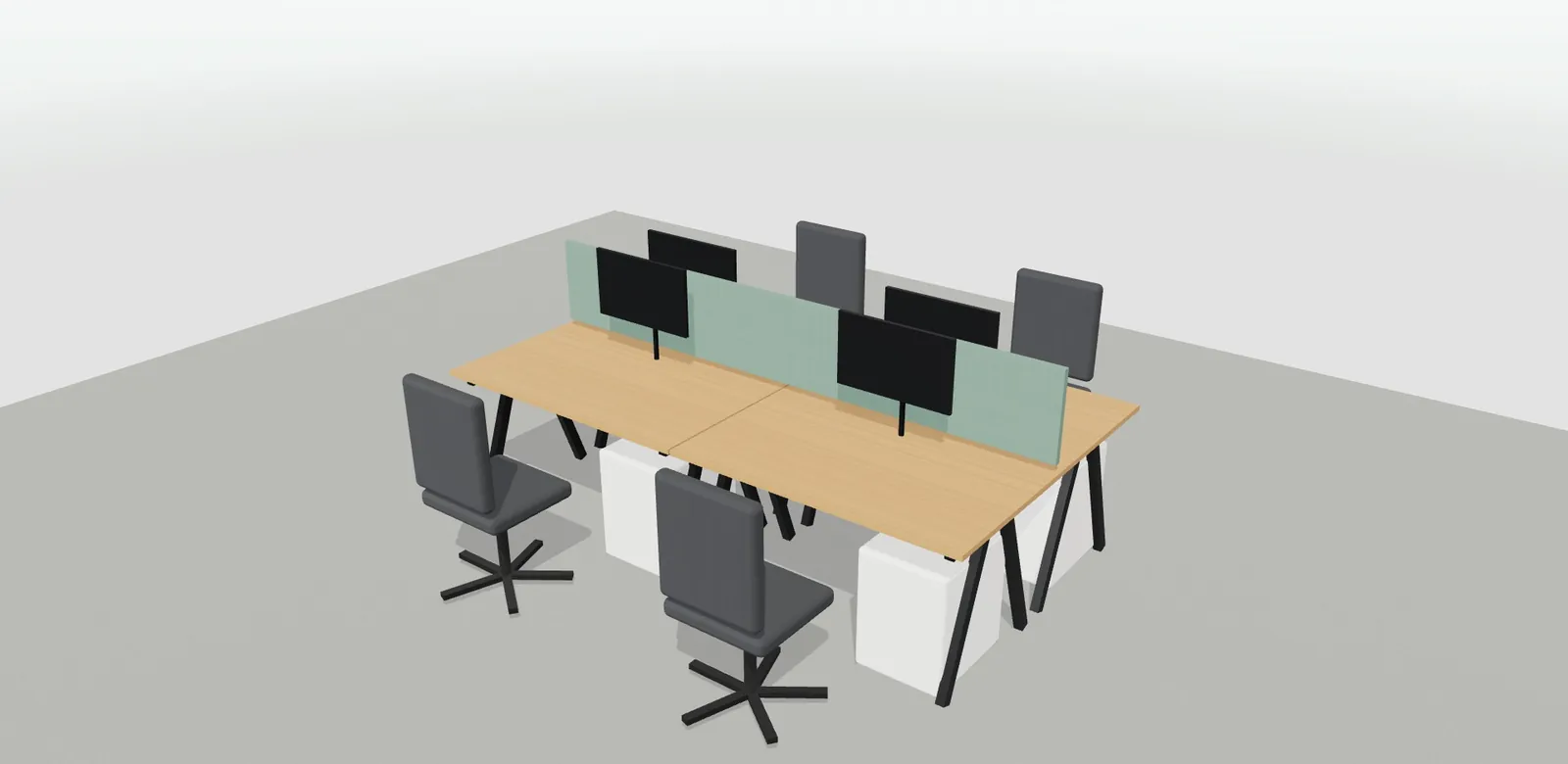
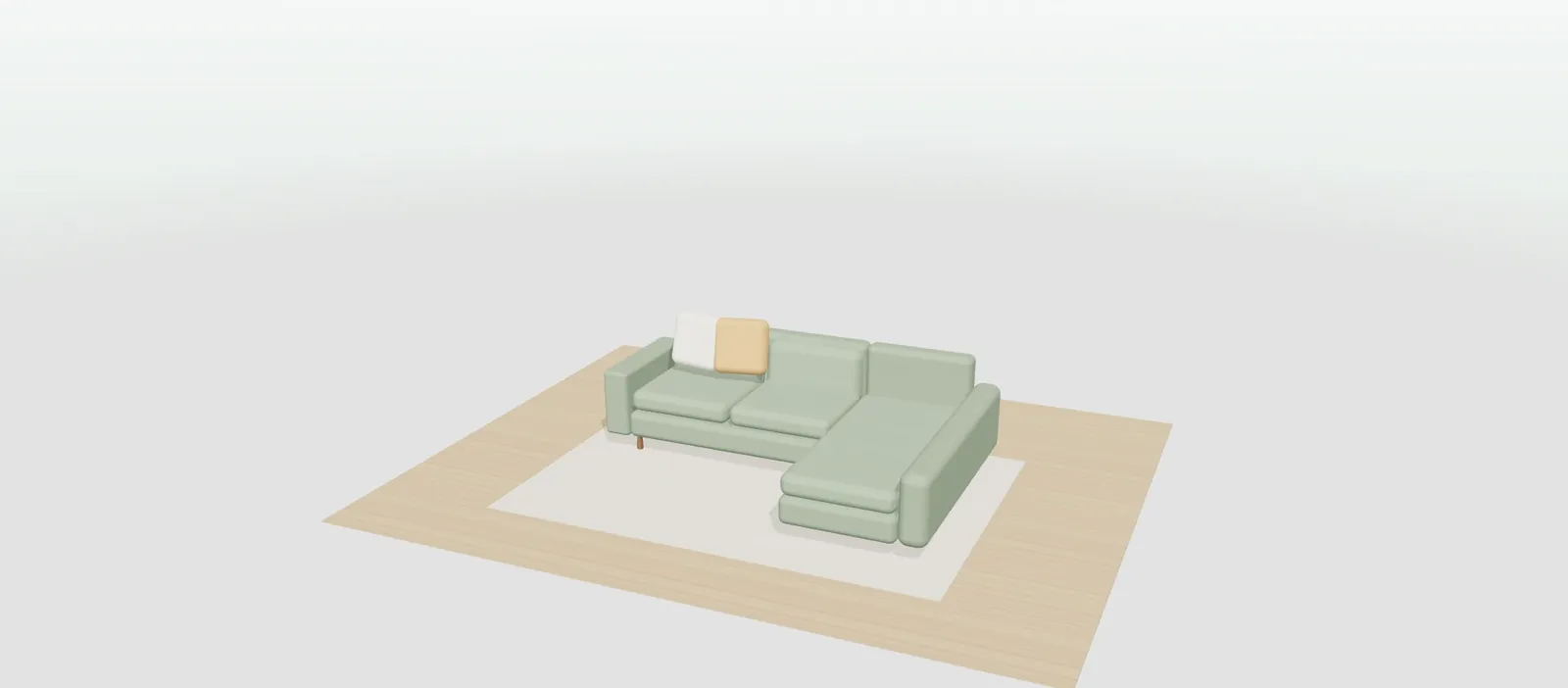
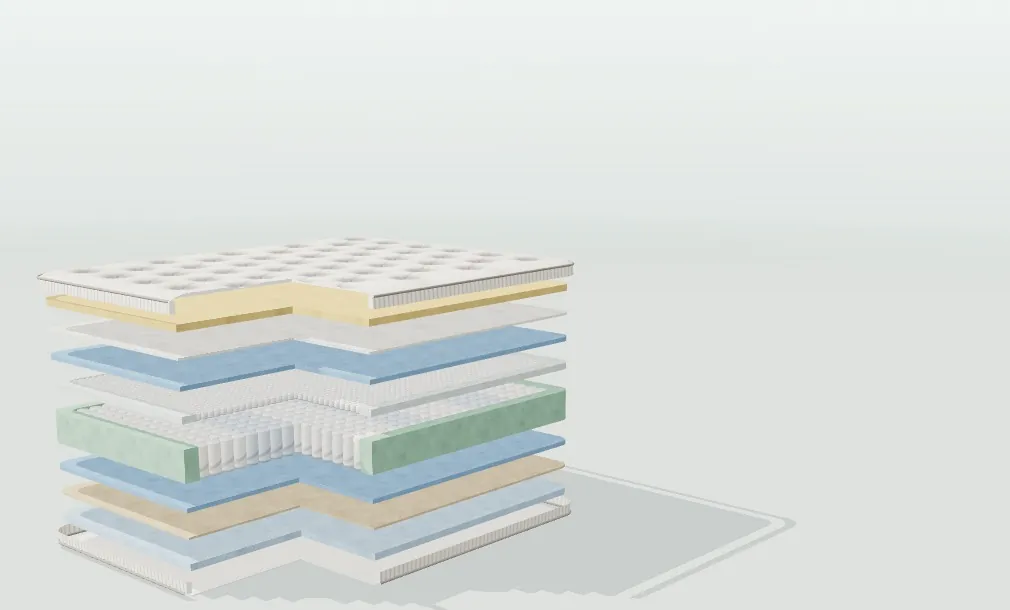
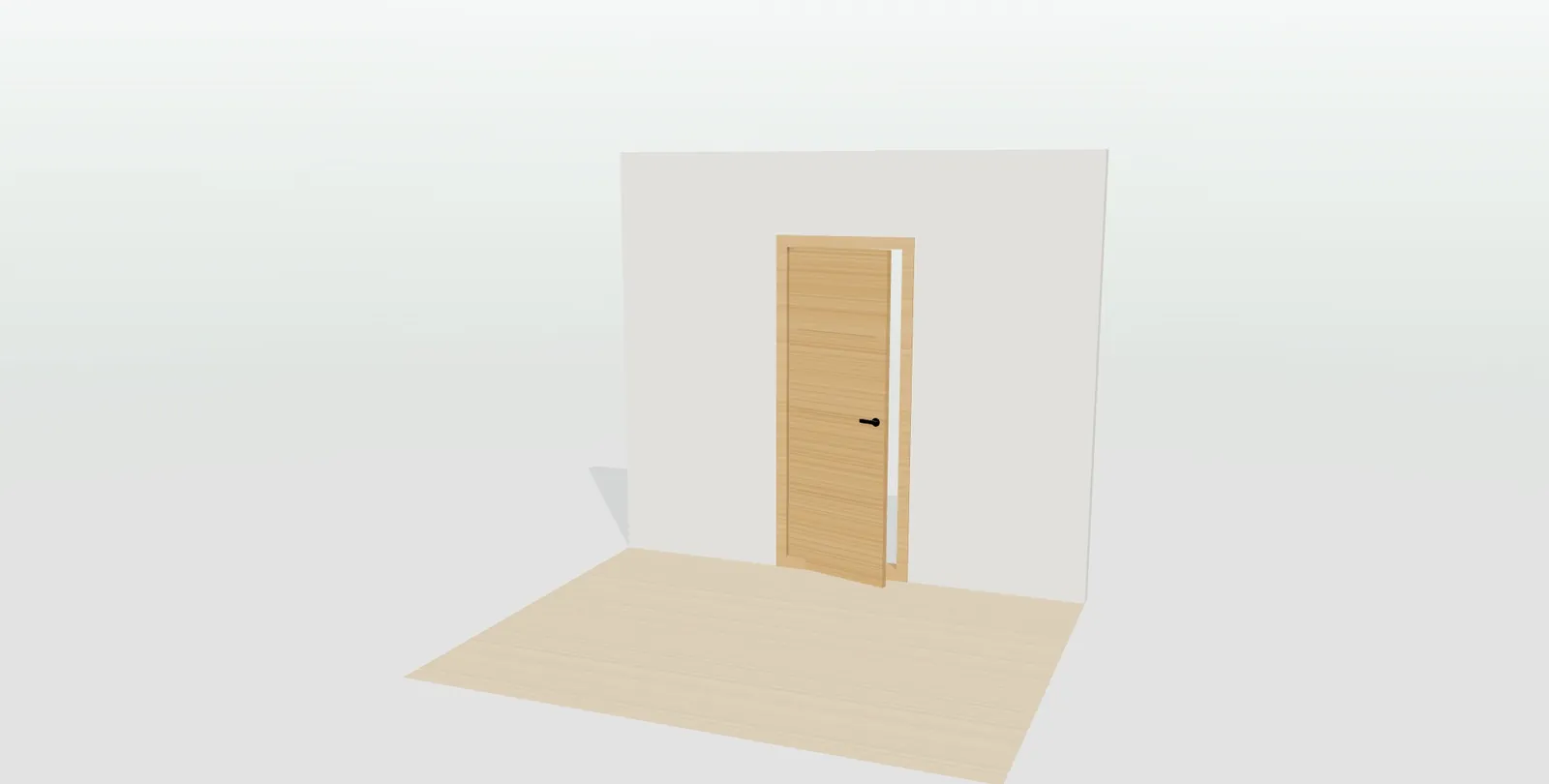
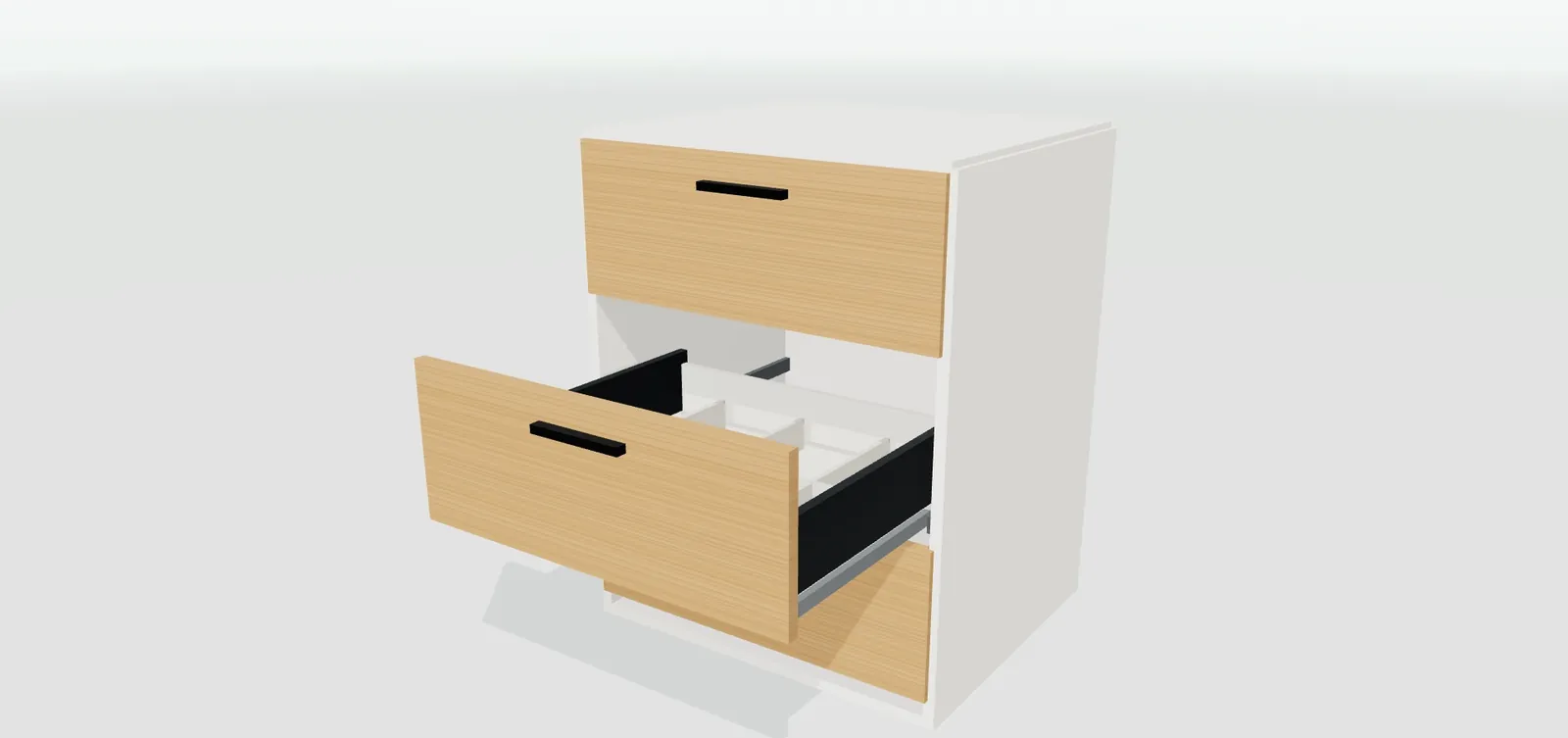
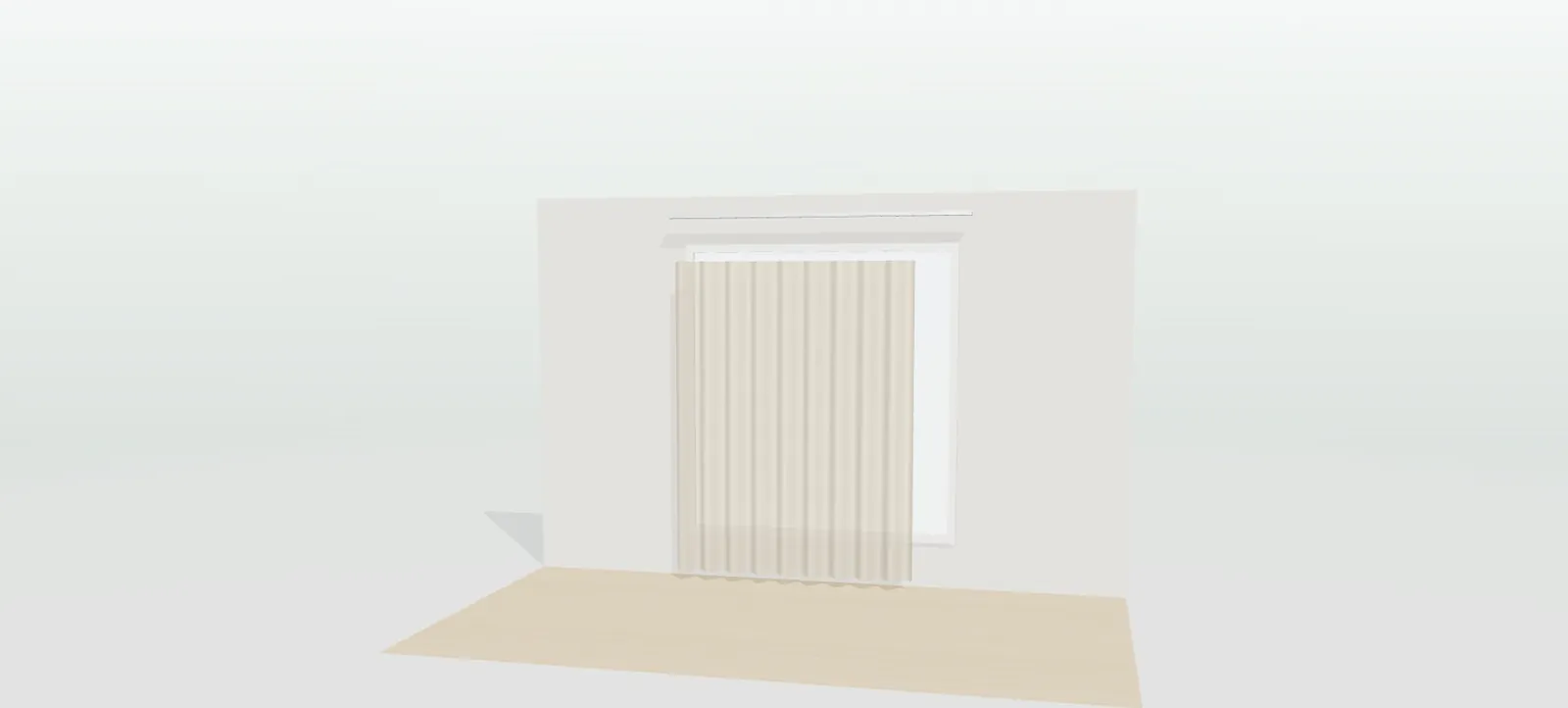
“Do you have it in another colour?”
Sold with a fabric swatch and three models on display
Each shop has room for three or four of your models. The rest lives in the brochure, and the customer decides with a swatch or a single door, or takes the samples home.
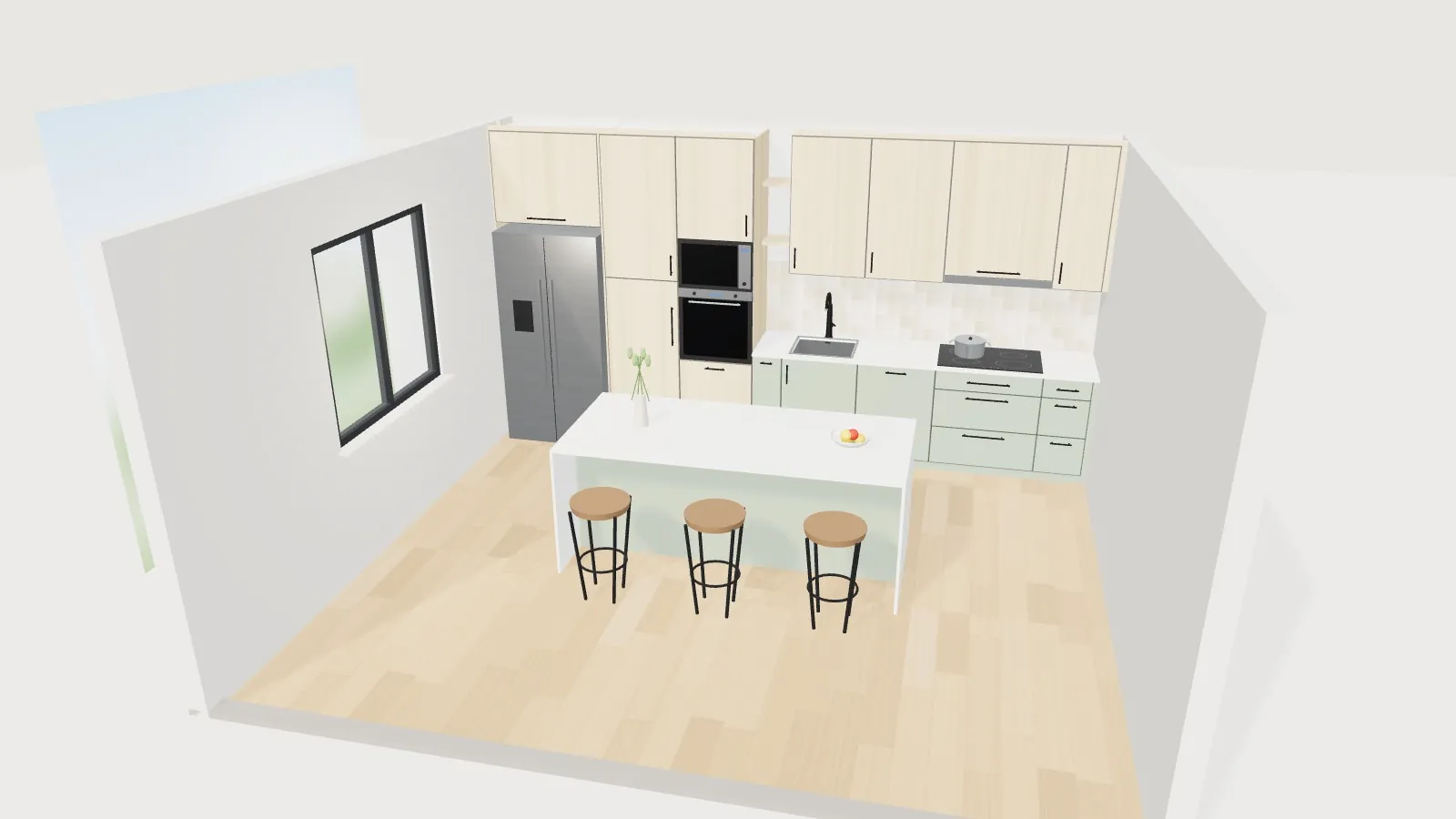
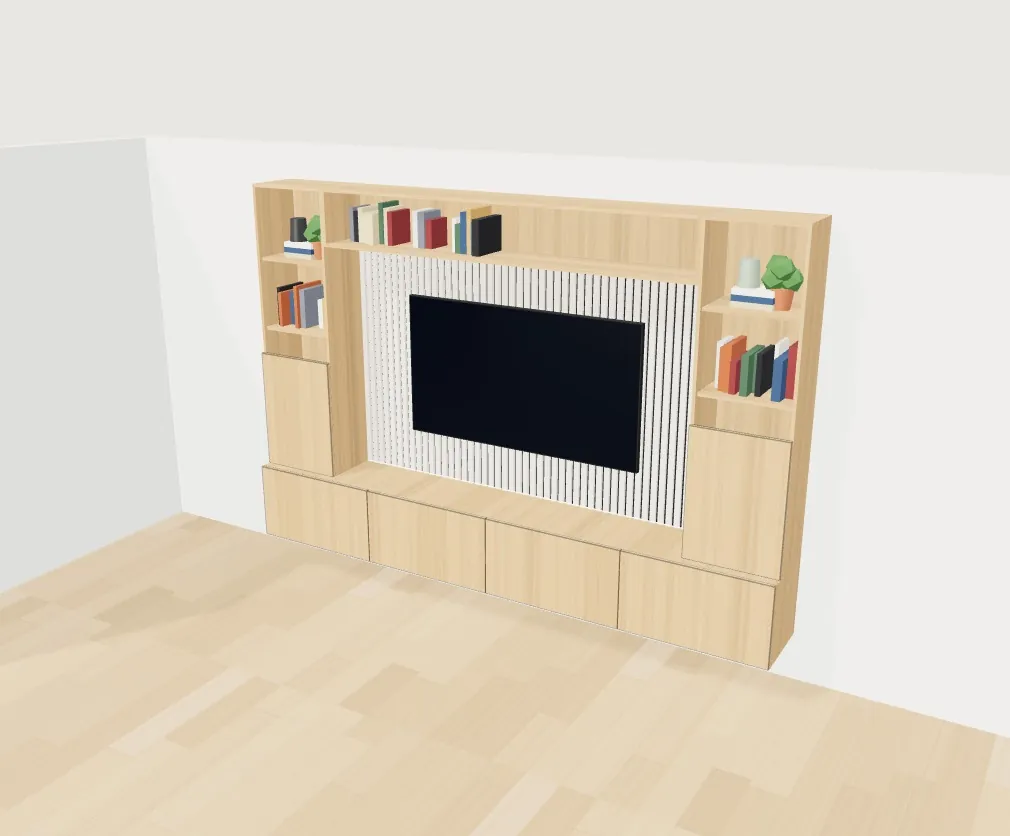
With the configuratorAny combination in the range in 3D, on the shop's tablet, and at real size in their own home in augmented reality, with nothing to install.
“Will it really fit there?”
Doubts about size hold up the signature
A 2.38-metre gap between two walls, a chaise that might block the way out to the terrace, a bench on an empty office floor. Without seeing it at their own size, the customer does not sign, or finds out on delivery day that it does not fit.
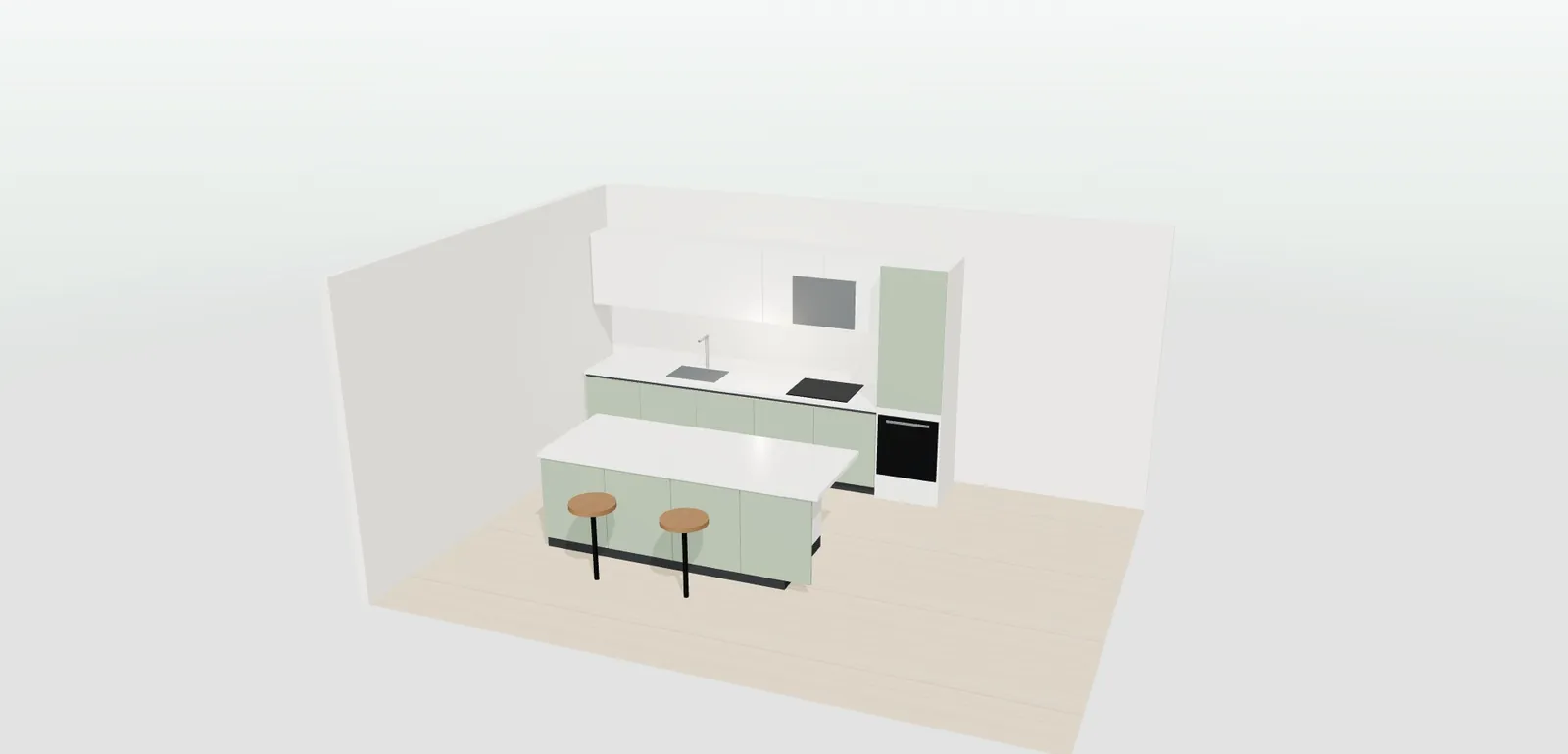
With the configuratorDimensions on the 3D, a person for scale beside it and your rules underneath: nobody can order what you do not make.
“Can you do it in blue for me as well?”
Versions redone in the technical office
The shop asks for variants in colour, handle or arm. Each one goes through the technical office as a new project, even if only one finish changes.
With the configuratorThe customer tries the variants with the salesperson and compares versions side by side, with the differences highlighted. Only the chosen one reaches the office.
“And how much more is that?”
Extras do not sell because nobody sees them
Power recliners, a pull-down rail, concealed hinges, sensor lighting or a motor with schedules all raise the order value, but they are explained verbally. If the customer neither sees them nor knows their price, they do not add them.
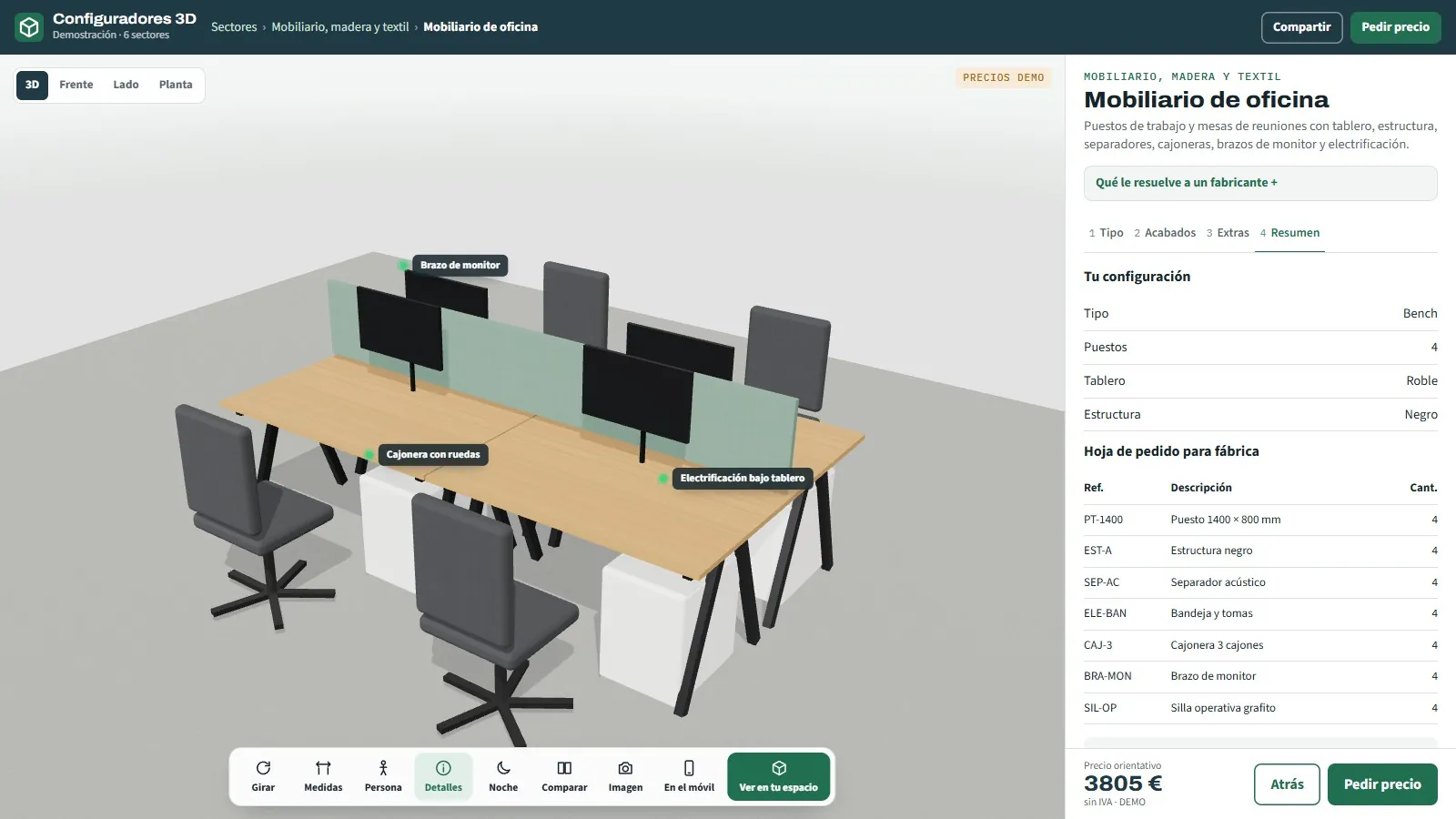
With the configuratorEach extra appears as an option, with a label on the 3D that explains it, and adds its amount to the indicative price from your price list.
“Right-hand chaise… looking at it from the front, I think.”
Handwritten orders that someone has to interpret
Chaise side, leaf or opening width, fabric reference: it all travels to the factory on a paper form or in a phone call. And a made-to-measure piece made wrong cannot be sold to another customer.
With the configuratorThe order sheet comes from the closed configuration, with every reference and its quantity: what was chosen on screen is what reaches the factory.
“Every shop quotes it for me in its own way.”
A sales network you do not control
Some shops use the printed price list; others, their own spreadsheet and their own margin. You do not know what is being offered in your name, and whoever finds you online does not know which shop to go to.
With the configuratorIn the project, each shop gets its own area with your price list and its margin, and whoever configures on your website is sent to the shop in their area.